Drawing Guide
Urban Sketching in London and Bath
Join the global urban sketching movement. We cover how to start sketching on location, what to bring, and where artists gather in major UK cities.
What is Urban Sketching?
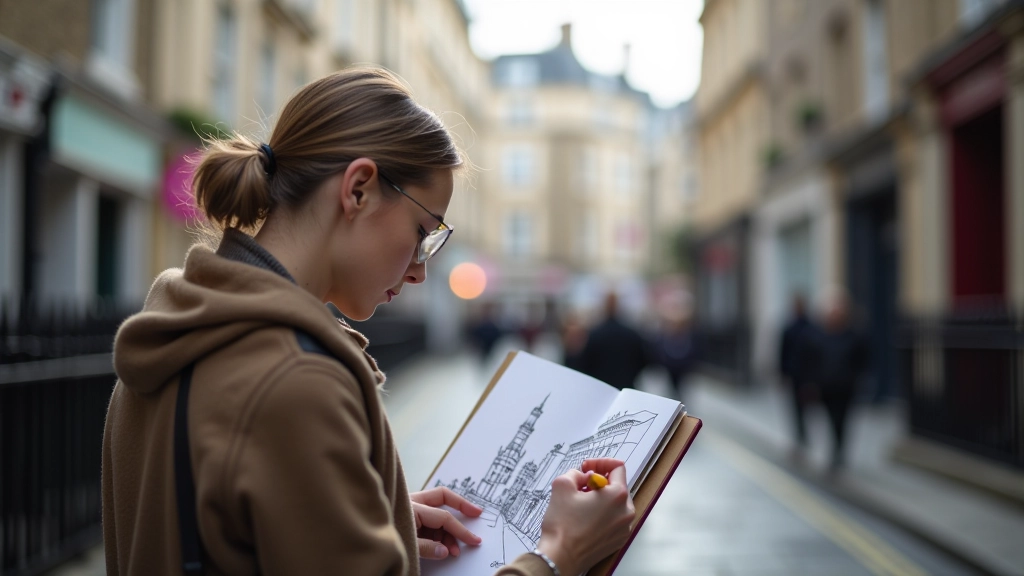
Urban sketching isn't some exclusive club for professional artists. It's simply drawing what's around you — buildings, streets, people, cafes — while sitting on a park bench or standing on a corner. You're capturing a moment in time with pen and paper. What makes it special? The immediacy. You're working directly from life, not from photographs. That's where the magic happens.
The movement started in 2007 in Seattle but it's absolutely thriving in the UK now. Cities like London and Bath are perfect for this. You've got centuries of architecture, interesting street scenes, parks full of light and shadow. Artists of all levels are out sketching every weekend. Some are beginners picking up a pen for the first time. Others have been drawing for decades. Everyone's welcome.
Why Sketch on Location?
- You're forced to work quickly and decisively
- Natural light shows you how shadows really fall
- You meet other sketchers and artists
- No pressure to be perfect — it's honest and raw
Getting Started: Essential Kit
You don't need fancy supplies. Honestly, that's one of the best things about urban sketching. We've seen people create stunning work with a £3 sketchbook and a single pen from Poundland.
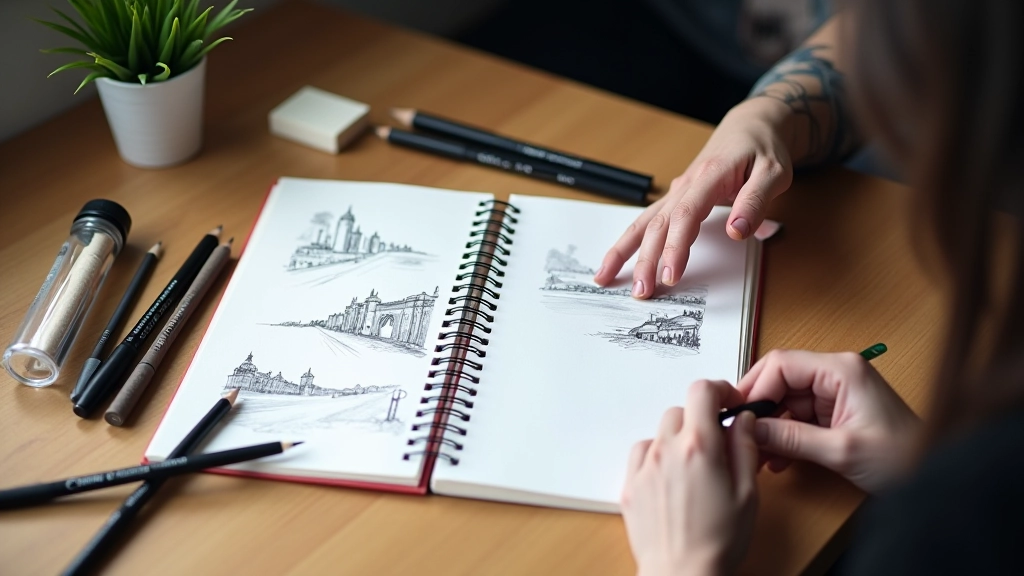
Start with these basics: a small sketchbook (A5 or A4 size), a few reliable pens (we'd suggest a 0.5mm black fineliner and maybe a thicker one for boldness), and a pencil for initial lines. That's genuinely all you need to begin. No watercolours, no fancy erasers, no expensive brushes.
As you progress, you'll naturally find what works for you. Some artists love adding watercolour washes later. Others stick to pen and ink. The key is keeping your kit portable enough that you'll actually carry it with you. You're not setting up a studio in the street — you're working light and fast.
Where to Sketch in London
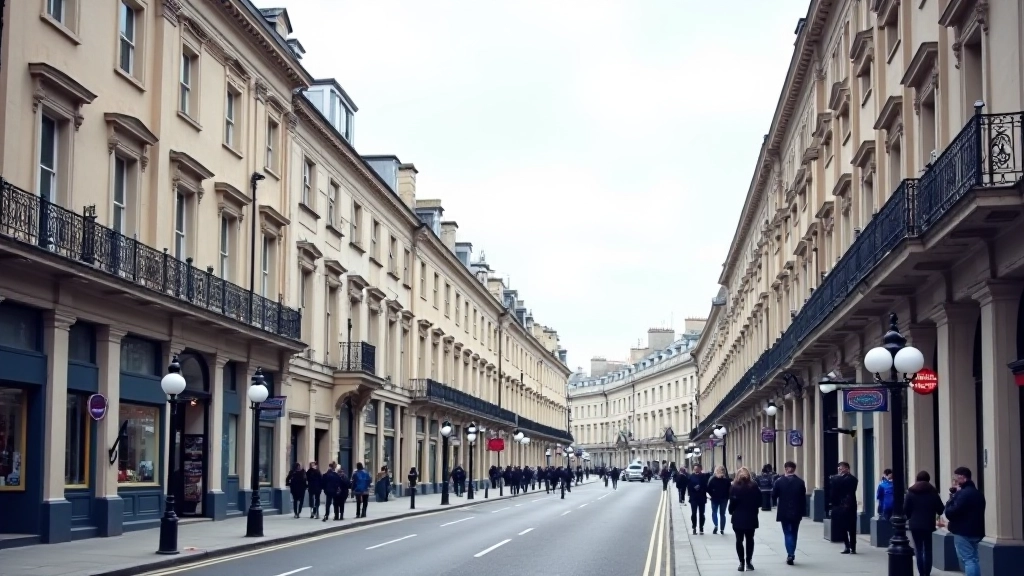
London's massive, which means you've got endless options. But we'd recommend starting somewhere with good light and interesting architecture that isn't completely overwhelming. Borough Market is excellent — busy enough to be energetic, but contained enough that you won't get lost trying to draw the whole landscape. You'll find other sketchers there too, usually on weekends.
Covent Garden Piazza is another solid choice. Sit on the steps, watch the street performers, sketch the Georgian buildings around you. The light's usually good in the afternoon. Brick Lane in Shoreditch if you want street art and graffiti to work with. Or find a quiet mews — there's dozens tucked away in places like Notting Hill or South Kensington. Less crowded, more intimate.
The Thames Path is underrated. You can sketch the river, bridges, industrial structures. Actually get away from the hustle. Some of the best urban sketching happens when you're not in the absolute heart of things.
Bath: Georgian Perfection for Sketchers
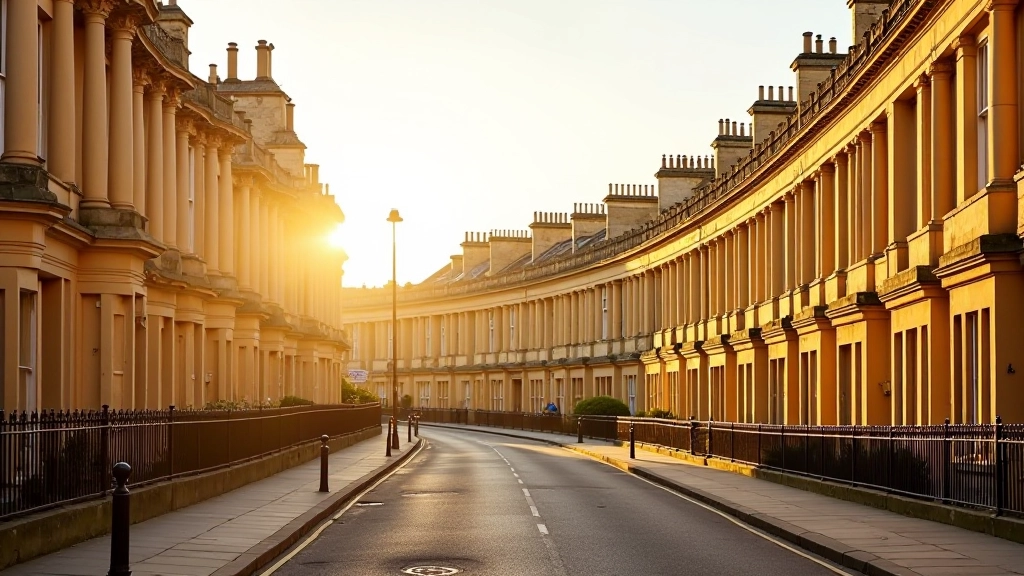
Bath's different from London. It's more cohesive visually — all that golden stone, the Georgian architecture, the curves of the crescents. You can sketch for hours without moving much because the visual richness is just everywhere. The Royal Crescent is the obvious choice, and yes, it's touristy, but it's stunning to draw. Those sweeping curves, the proportions — it's genuinely satisfying to get down on paper.
Pulteney Bridge is incredible. The architecture, the Avon River beneath it, the reflections in the water. Sally Lunn's area around the High Street gives you medieval streets mixed with Georgian facades. Sketchers who love detail absolutely thrive here.
The beauty of Bath is that the whole city's designed with aesthetics in mind. It's not about finding the one good sketching spot — it's about choosing which of the beautiful spots you want to work from. You could spend a week there and barely repeat a view.
Disclaimer
This article is for educational and informational purposes. While we've provided guidance on popular sketching locations and general techniques, individual experiences vary. Always respect private property and follow local guidelines when sketching in public spaces. Some locations may have restrictions on photography or drawing — it's worth checking beforehand. Weather, crowds, and personal skill levels will all affect your sketching experience. Use this information as a starting point for your own urban sketching journey.
Tips That Actually Work
1
Commit to the Lines
On location, you can't erase endlessly like you would at home. That's freeing. Sketchy, wobbly lines are part of the charm. They show energy and immediacy. Don't aim for perfection.
2
Start with Shapes
Before detail, get the proportions right. Quick rectangles for buildings, circles for heads if there are people. It's your map. Then add detail inside those shapes.
3
Follow the Light
Notice where shadows fall. That's where depth comes from. Don't be afraid of dark areas — they make your lighter areas pop. The contrast tells the story.
4
Embrace Imperfection
Wonky perspective? Perfect. That person who walked through your sketch mid-drawing? That's a happy accident. Urban sketching isn't about technical perfection — it's about capturing a moment.
5
Keep a Consistent Scale
Decide early: how big is a person going to be on your page? Then keep that scale. Buildings won't look like dollhouses and people won't look like giants. It takes practice but it transforms everything.
6
Find Your Sketching Community
Urban Sketchers (USk) has meetups in both London and Bath. It's free, welcoming, and you'll meet people at every level. The community aspect keeps you motivated.
Join the Sketching Community
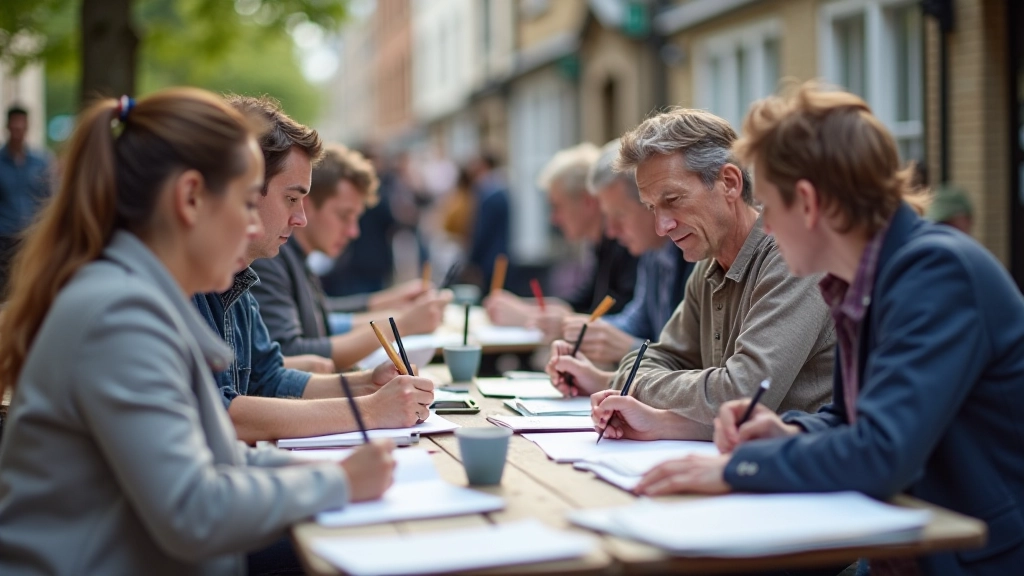
Urban Sketchers (USk) is a global community of people who share sketches made on location. There's no membership fee. There's no judgement. You show up with your sketchbook, spend a couple hours drawing the same street or building as everyone else, then you chat about what you've done.
London's got a massive USk community. They sketch everywhere — the South Bank, Covent Garden, street markets, parks. Bath's group is smaller but just as passionate. Regular meetups mean you're not sketching alone. You'll see how other people approach the same subject. It's genuinely inspiring.
Beyond USk, there's local art groups, community classes, and just informal sketchers you'll meet once you start spending time on location. The sketching world is friendly. People are happy to chat about materials, techniques, favorite spots.
Start Sketching This Weekend
You've got everything you need to start. A sketchbook, a pen, and a city that's waiting to be drawn. London and Bath are perfect for this — both cities have endless visual interest, established sketching communities, and weather that's usually decent enough to spend a couple hours outside.
The first sketch's always the hardest. Your hand might shake a bit. You might second-guess your proportions. That's normal. By the third sketch, you'll start finding your rhythm. By the tenth, you'll stop worrying about perfection and just enjoy the process. That's when it becomes addictive.
Pick a location, find a spot with decent light, sit down, and start drawing what you see. That's urban sketching. It's not complicated. It's just you, your pen, and the city.
Related Articles